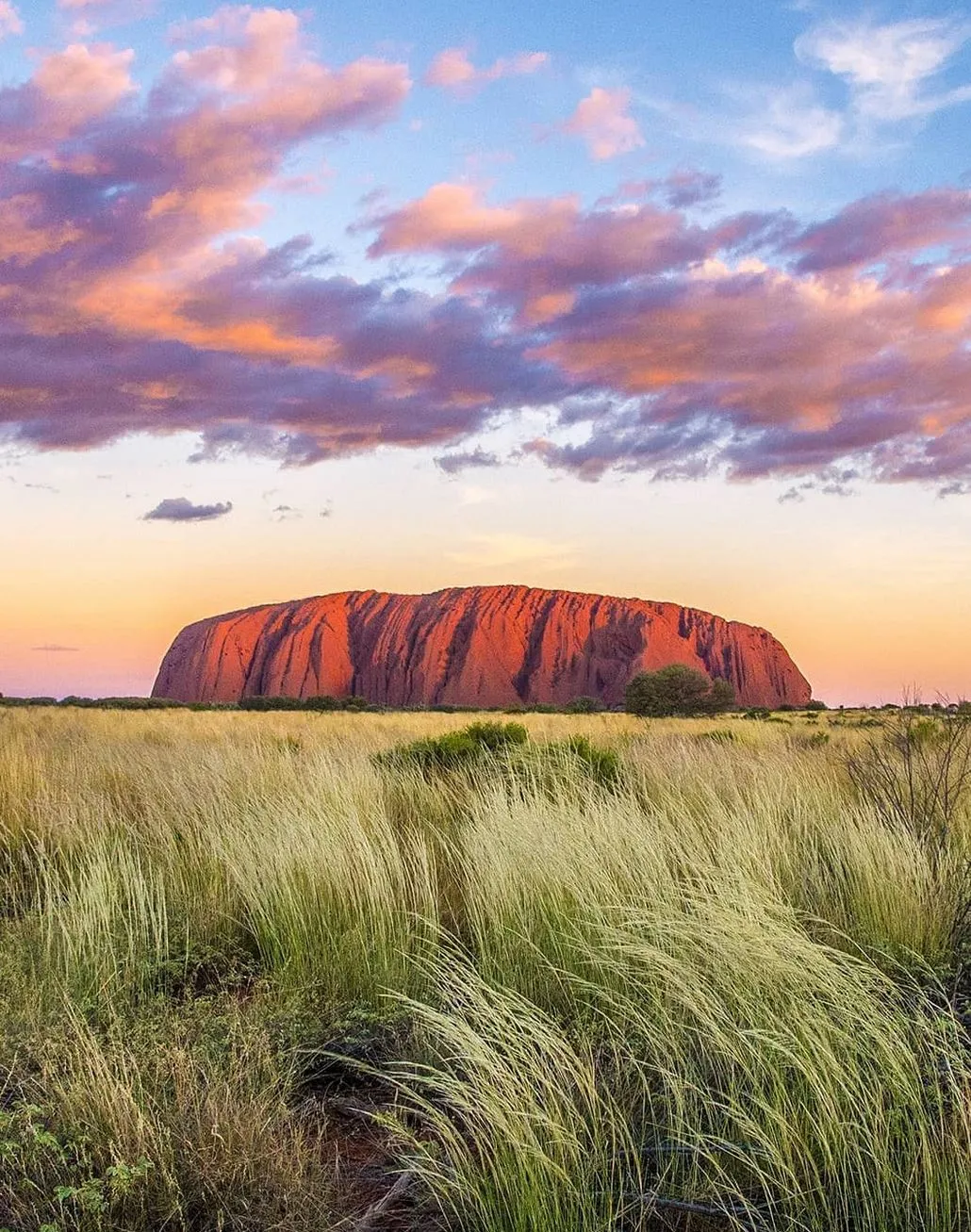
Uluru, also known as Ayers Rock, is the biggest monolith in Australia and a world-famous tourist destination. In the middle of the Australian landscape this massive monolith rises out of the western deserts and is part of the Uluru-Kata Tjuta National Park. But who discovered Uluru and what does “discovery” mean in the context of these ancestral lands, sacred sites and the cultural landscape of Aboriginal Australia?
Anangu, The First People
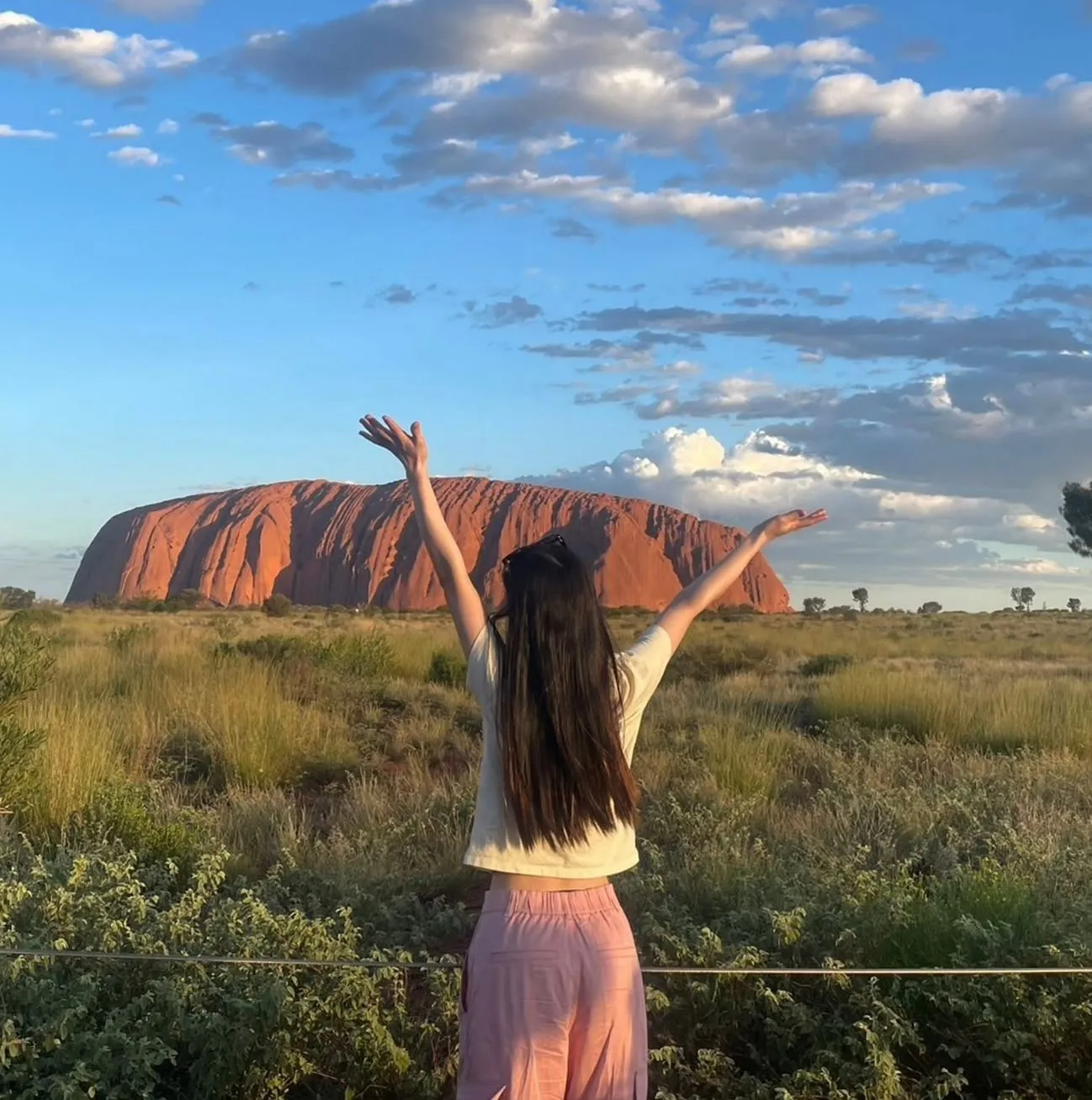
Before Uluru became a tourist attraction or an Aboriginal reserve the physical evidence of human occupation goes back tens of thousands of years. The traditional owners, the Anangu people, are the direct descendants of those who have cared for this land since the creation period. For Indigenous people Uluru is not just a rock but a place of great cultural significance, woven into their Dreamtime stories, cultural values and daily life. It’s an Aboriginal land full of sacred sites, food stores, day roosting sites for animals like the desert skink and home to endemic plants uniquely adapted to the hot desert climate.
The Creation Period
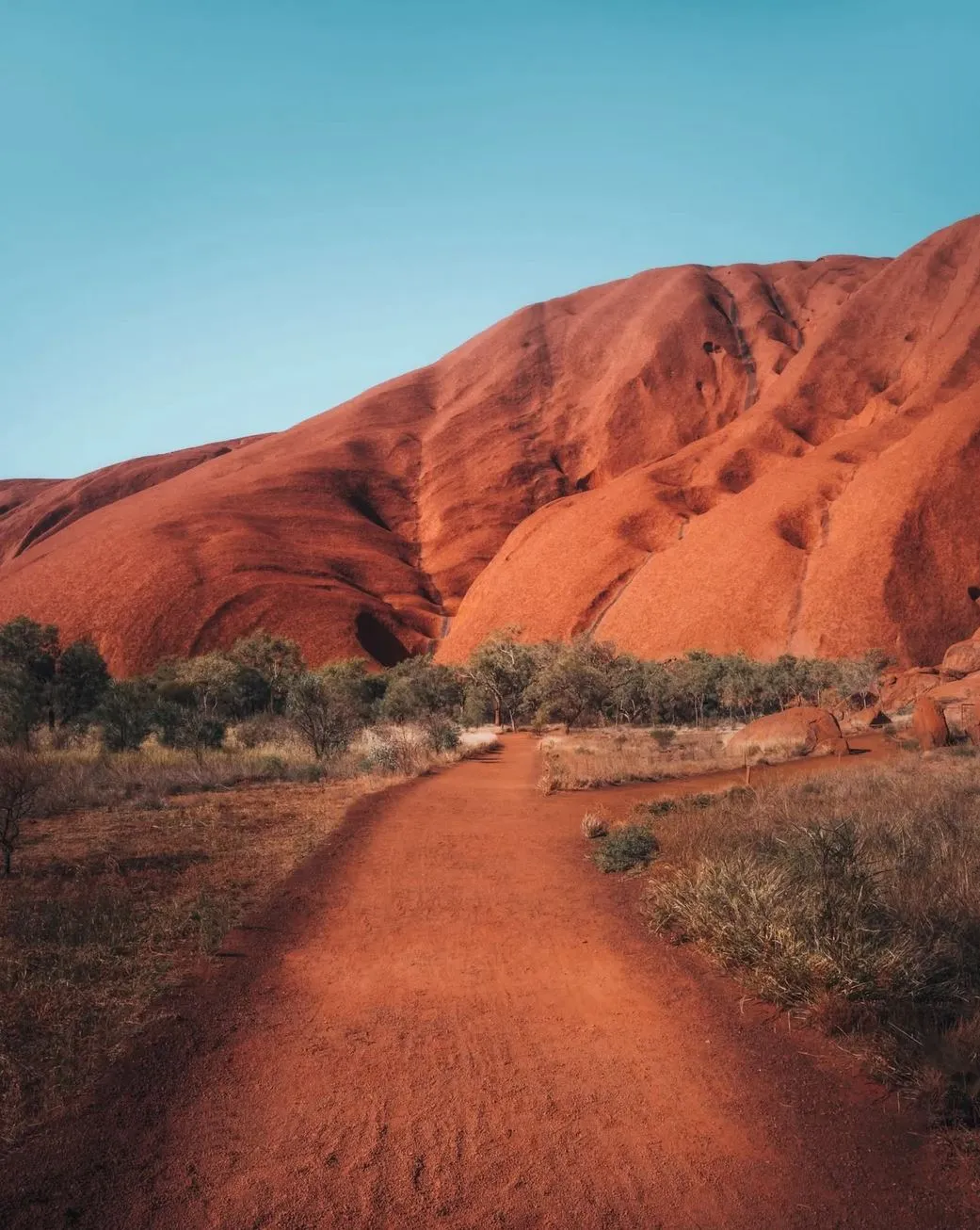
The creation period is key to understanding Uluru. According to Aboriginal peoples’ beliefs the forms of people, animals and rock types were shaped during the creation period which left layers of sand, mud after rain and distinctive rock features. Originally, sand changed over millions of years. Heavy rain can turn the surrounding area into a sight to behold as water cascades down the rock and collects at the base, temporarily changing the landscape.
European Arrival
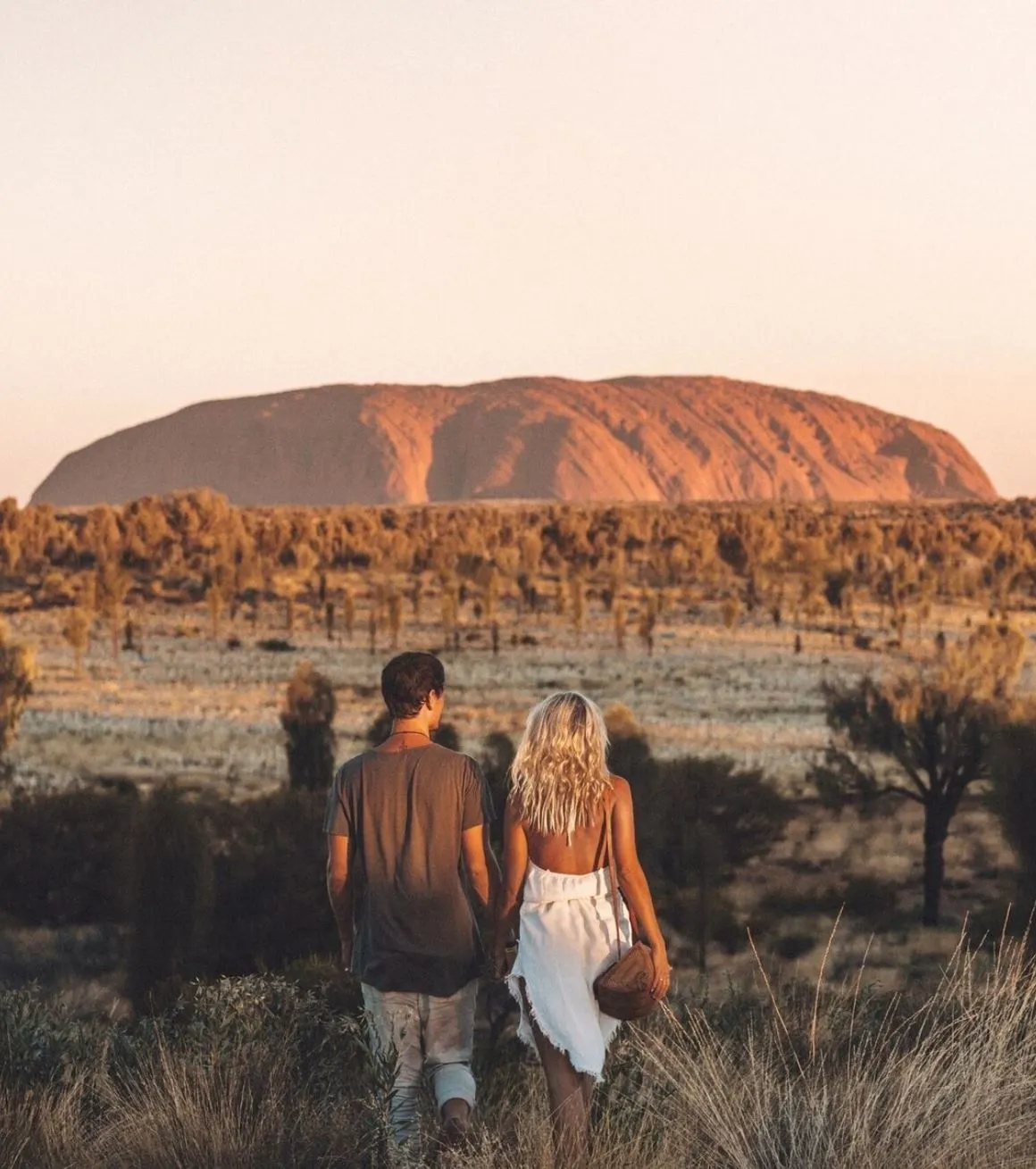
The first recorded sighting of Uluru by white people was in July 1873 when explorer William Gosse arrived. Gosse named the monolith “Ayers Rock” after Sir Henry Ayers then Chief Secretary of South Australia. But for the Anangu the area had already been known for countless generations as Uluru and the region was an Aboriginal reserve and a gathering place for Australian Aboriginal peoples. It’s important to remember that the Anangu people were the original discoverers and custodians of this cultural landscape.
Recognition, Reconciliation and Modern Australian Tourism
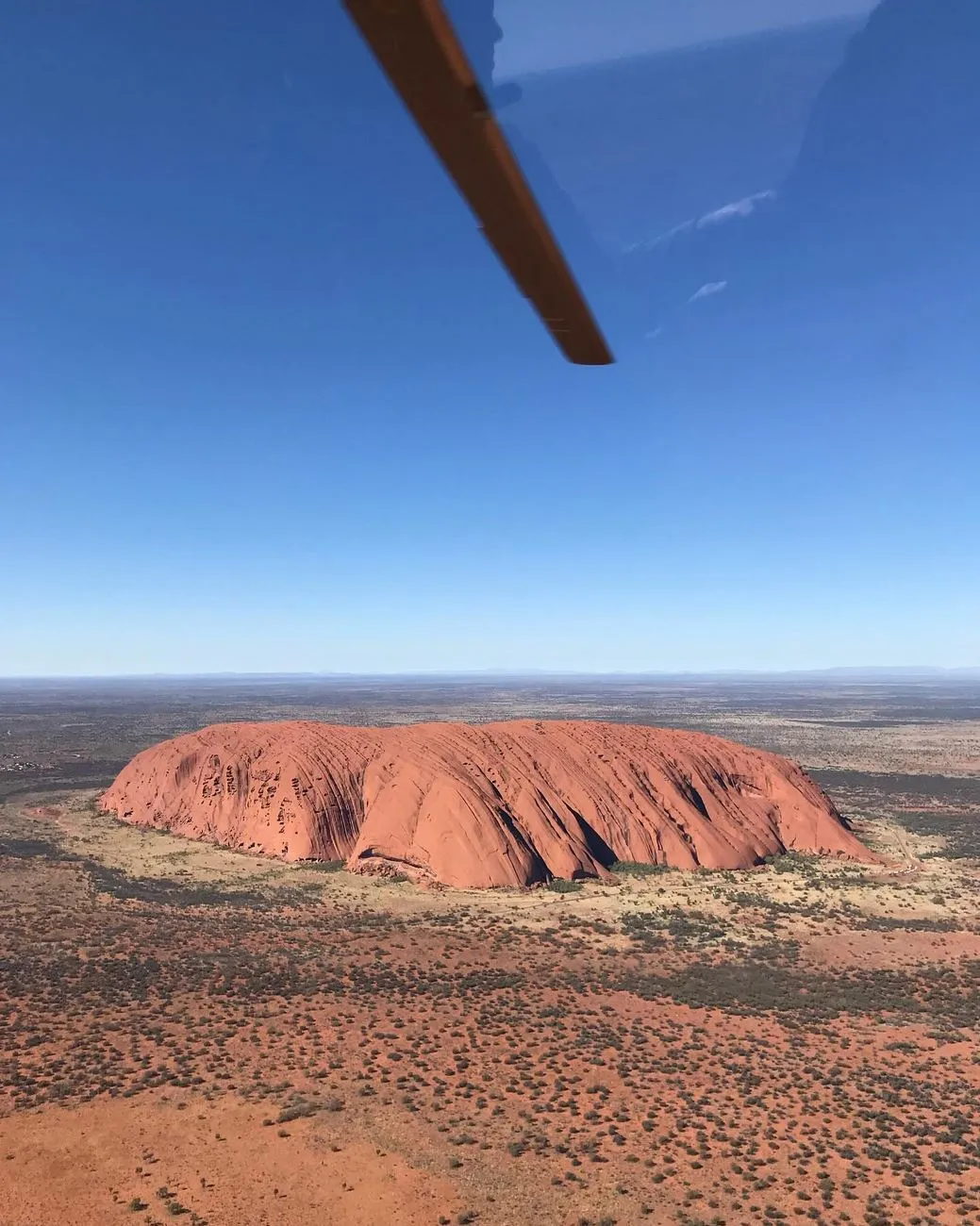
Today Uluru-Kata Tjuta National Park is managed by Anangu and Parks Australia. The park is not just a national park but a symbol of the broader recognition of Aboriginal land rights and cultural values. Uluru is a major tourist destination with modern buses and tourist facilities and an educational resource for primary school groups learning about the cultural significance and history of this area. Visitors are asked to respect the sacred sites and learn about the many forms of people and stories associated with Uluru.
Conclusion
While William Gosse was the first European to record Uluru, the real story of its discovery and ongoing importance belongs to the Aboriginal people, the traditional owners and direct descendants who have shaped and cared for this land since creation time. When you visit Uluru make sure you understand its place in the physical and spiritual history of the Australian landscape. If you liked this article you can book Uluru tours where you can see Ayers Rock and interact with local Aburegians.
FAQ
Who are the traditional owners of Uluru?
The Anangu people are the traditional owners and direct descendants of the first people who lived in the area. They have been connected to Uluru for tens of thousands of years.
When did white people first see Uluru?
The first recorded sighting by Europeans was in 1873 when William Gosse named it Ayers Rock, but it had already been important to Aboriginal people for thousands of years.
What is the cultural significance of Uluru to Aboriginal people?
Uluru is a sacred site, part of the cultural values, spiritual beliefs and creation stories of the Anangu. It’s part of a bigger cultural landscape full of sacred sites, food stores and day roosting sites for local wildlife.
Why is Uluru a tourist destination?
Uluru is a tourist destination for its natural beauty, big rock, unique plants and hot desert climate. It’s accessible via modern tourist facilities and buses within the national park.
Can visitors climb Uluru or roam freely?
Climbing Uluru is no longer permitted out of respect for the Anangu’s wishes. Visitors can walk around the base, see the physical evidence and learn about its cultural significance from Indigenous guides and educational programs.