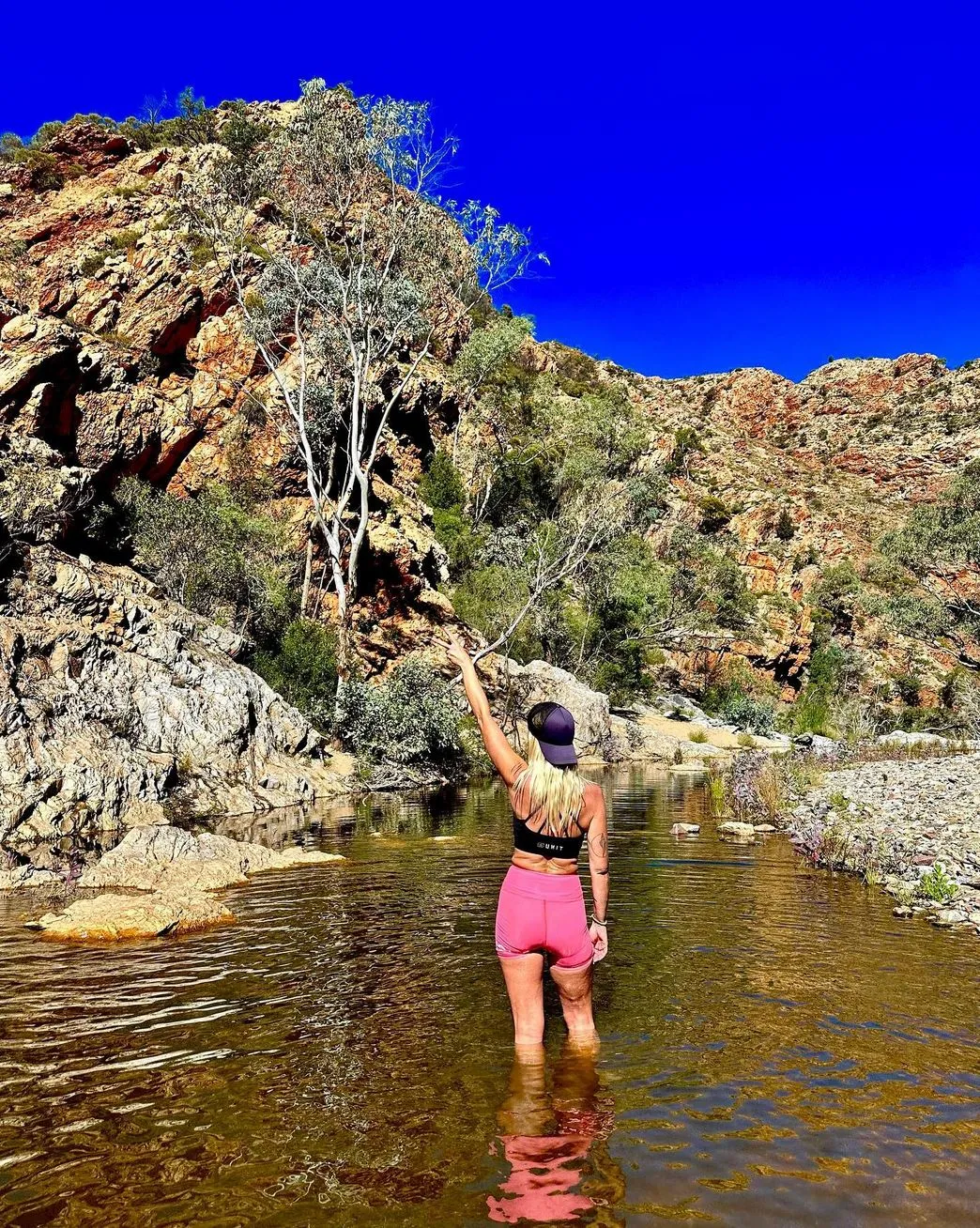
The Larapinta Trail stretches 223km through the West MacDonnell Ranges in Australia and is bloody tough. Whether you’re doing a short section or the whole thing, you need to have the right gear for comfort and safety. One common mistake many hikers make is wearing jeans on the trail. Here’s why jeans are a bad idea and what you should wear instead.
1. Jeans Retain Moisture
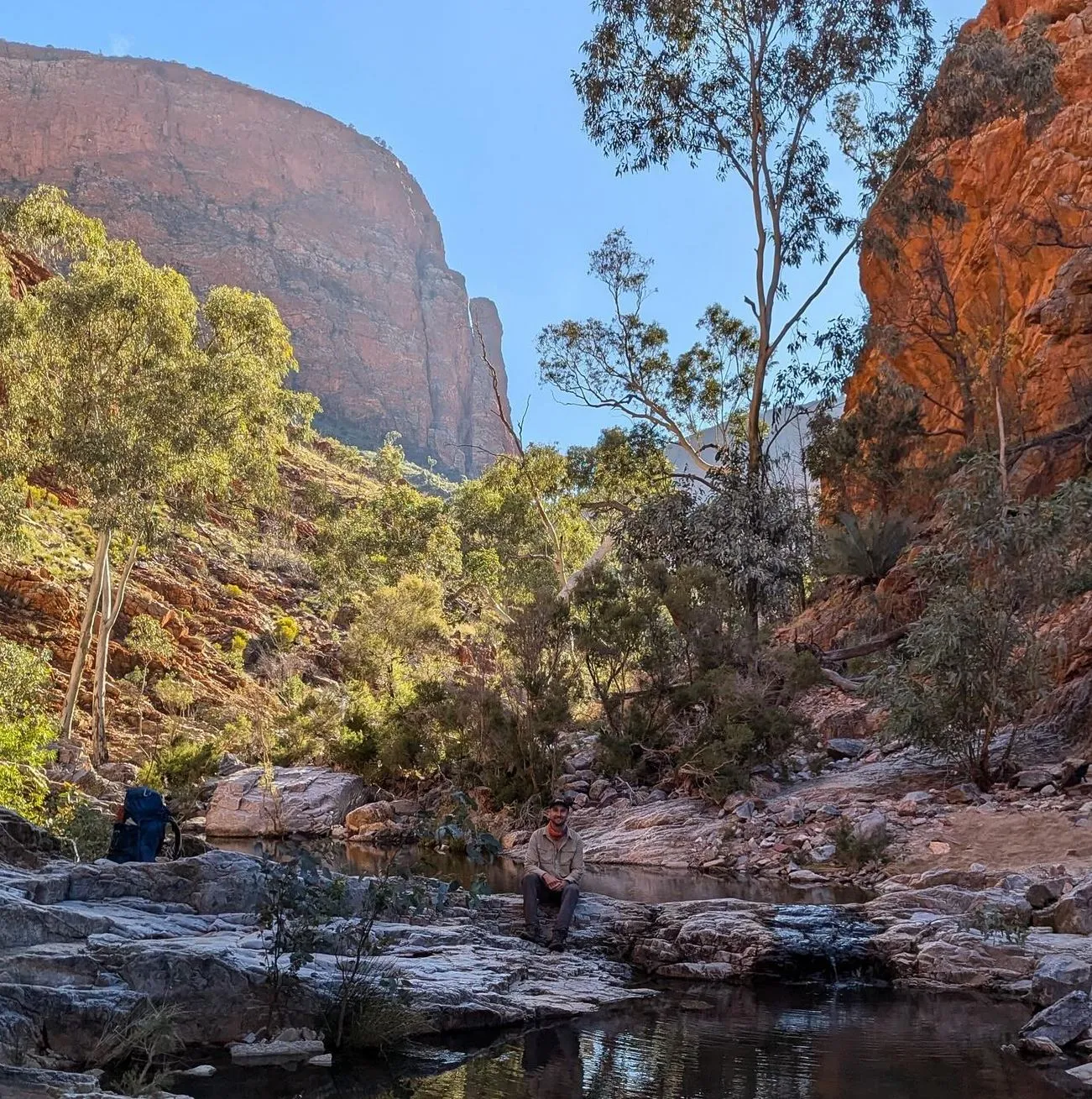
Jeans are made of thick cotton, which absorbs and retains moisture. If you sweat or get caught in the rain, your jeans will get soaked and be uncomfortable, increasing the risk of chafing and blisters. Damp jeans take ages to dry which is not ideal when hiking long distances in wet conditions. Having the right hiking gear is key, including a waterproof jacket and spare socks made of dry material.
2. Poor Breathability and Overheating
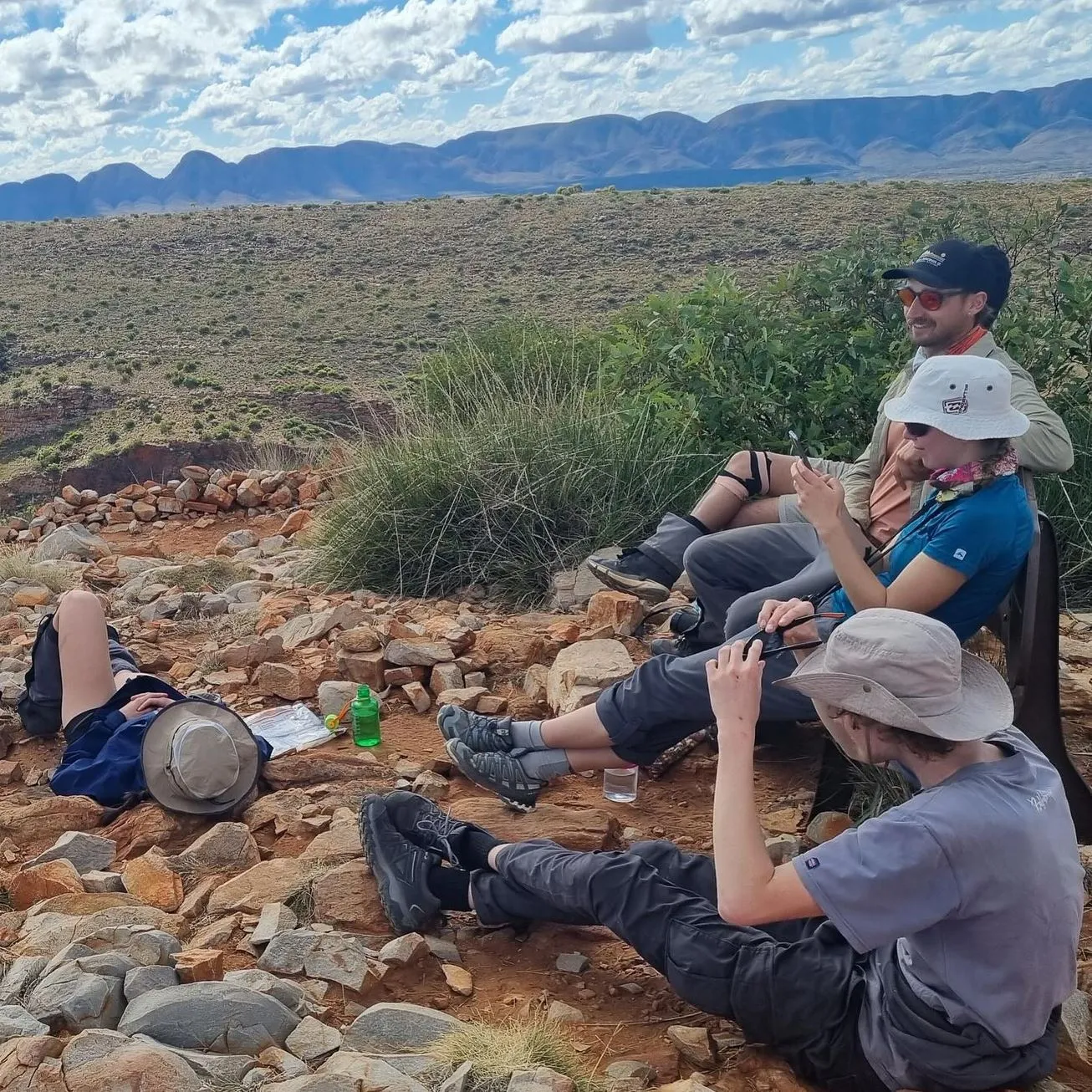
The desert environment of the Larapinta Trail means you’ll be hiking in warm conditions during the day. Jeans don’t breathe well and trap heat and sweat against your skin. This can lead to overheating, dehydration and general discomfort making the hike far more exhausting than it needs to be. Opting for hiking pants with good breathability is a better option. It’s a good idea to wear lightweight synthetic or lightweight material to help regulate body temperature in hot, mild, and windy conditions.
3. Restricted Mobility
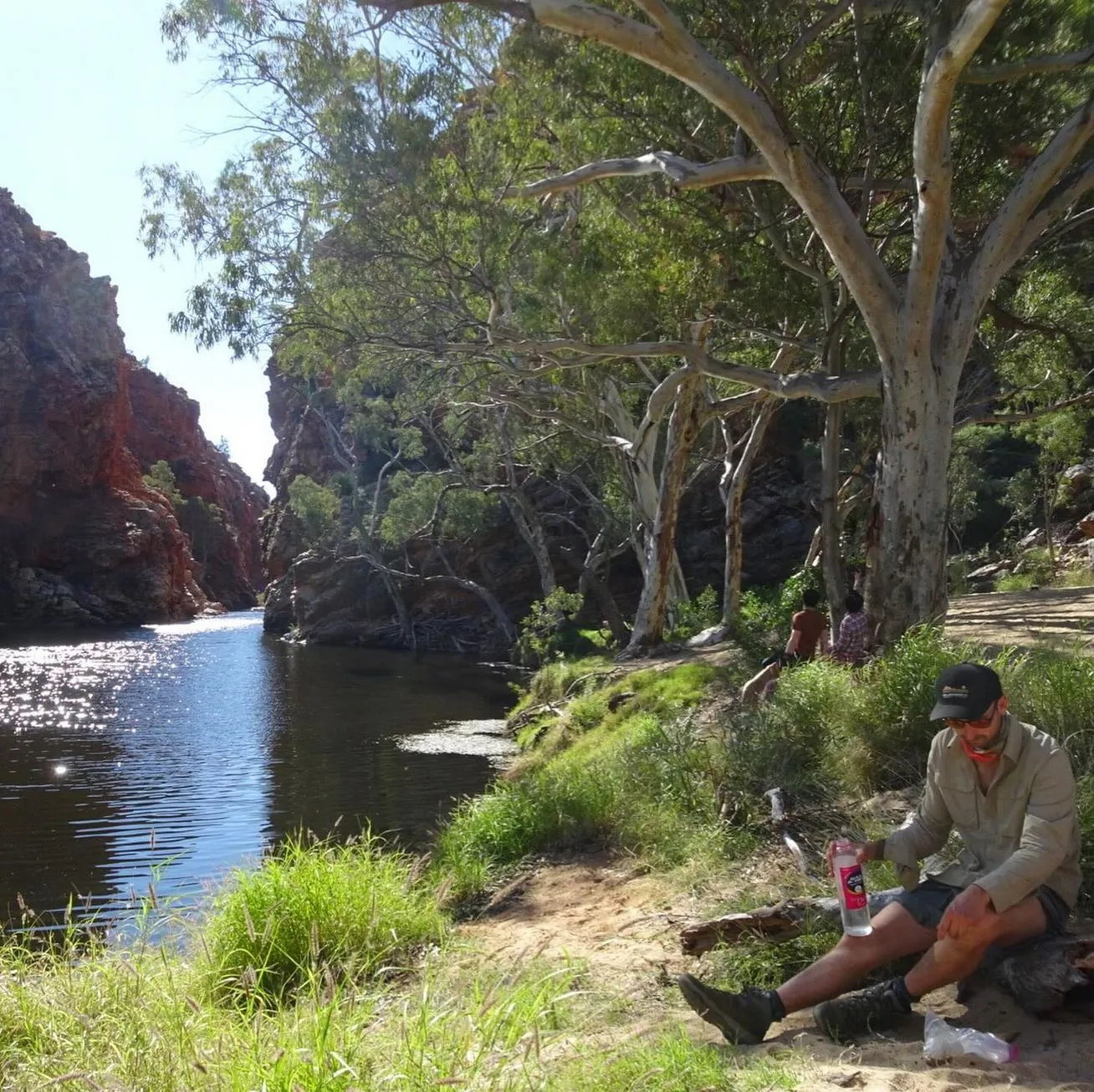
Hiking involves steep climbs, uneven terrain and scrambling over rocks. Jeans offer no stretch so you can’t move freely. Restricted mobility can lead to faster fatigue and even injuries if you can’t move effectively over tricky terrain. If you’re joining a Larapinta Trail tour, having the right gear means you can keep up with the group and enjoy the experience. Having a hydration pack in your daypack means you stay hydrated as you navigate the adventure.
4. Heavy and Uncomfortable

Compared to modern hiking pants, jeans are heavy. Once wet they become even heavier and stiff which can slow you down and increase exertion. That extra weight may not seem like much but over several hours of hiking it can affect your body temperature and energy levels. Wearing medium-weight and breathable fabric means more comfort and less exhaustion.
5. Hypothermia at Night
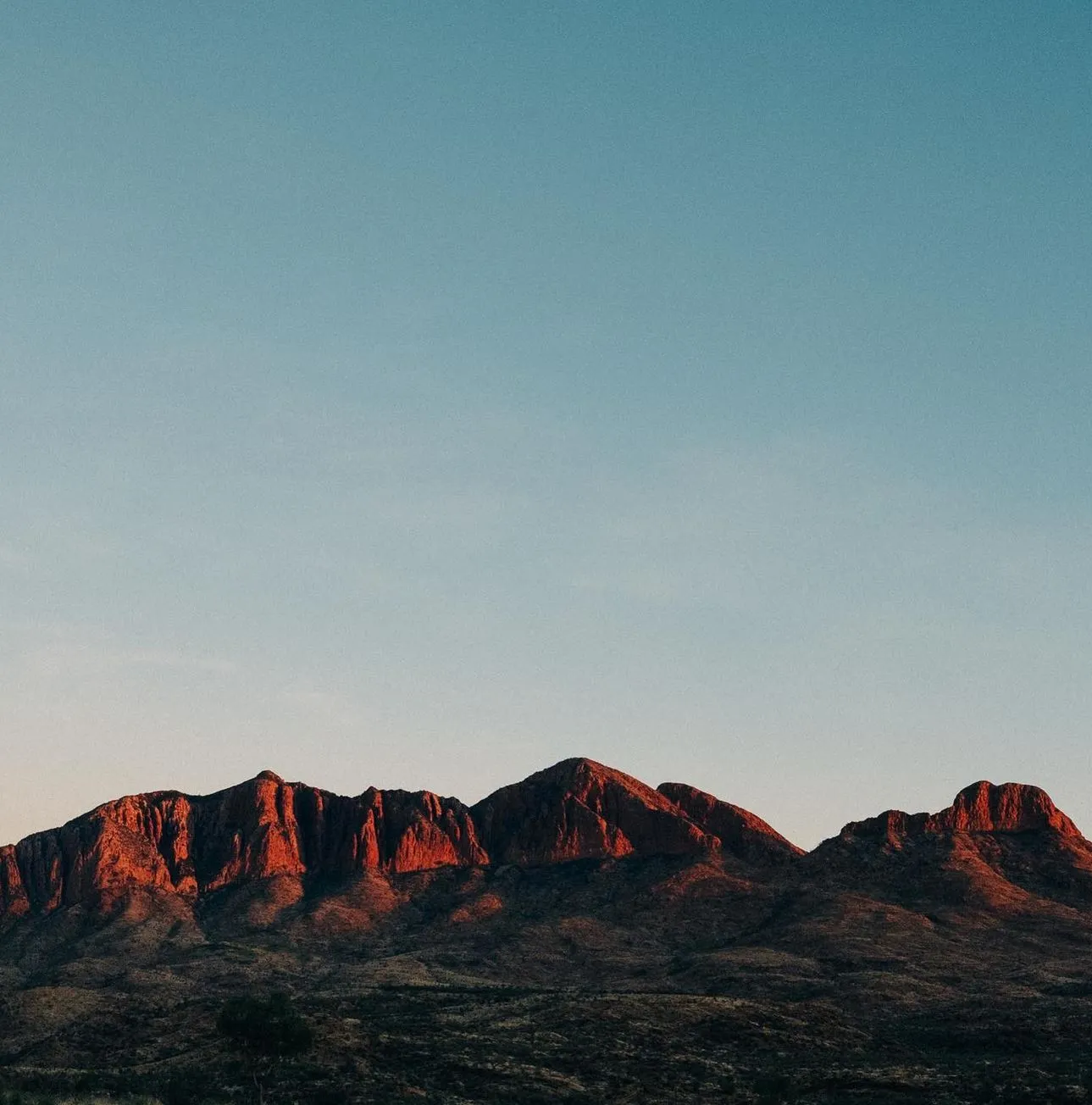
The Larapinta Trail has hot days and cold nights. If you’re wearing damp jeans when the temperature drops, you’ll struggle to warm up. Wet clothing can cause hypothermia even in desert environments where nighttime temperatures can be chilly. A waterproof jacket and medium-weight wool clothing will help keep you warm.
What to Wear Instead of Jeans
Instead of jeans wear:
- Lightweight, moisture-wicking and breathable material like:
- Hiking pants made from nylon or polyester blends (quick drying and lightweight)
- Convertible pants (zip-off legs for shorts and full pants)
- Leggings or trekking tights (for flexibility and comfort)
- Merino wool or synthetic base layers (for cold temperatures)
- Waterproof pants (for bad weather)
Additional Tips
- Bring cooking equipment, catering equipment and camping equipment for long hikes.
- Be prepared for sunny conditions, mild conditions, windy conditions and humid conditions.
- Bring eye protection for better trail visibility.
- Bring personal medication if required and inform the group of any dietary requirements.
- Bring access to power to recharge your devices.
- Payment is a bank transfer with a deposit per person and an admin fee or admin charge.
- Enjoy the privilege of hiking this incredible trail, gain cultural insight and understanding of the land.
- Dress right and don’t wear wrong hike clothing like cotton clothes, business shirts and collared shirts.
By planning ahead and choosing the right material for your item of clothing you’ll have a tough adventure while being safe and comfortable.
Conclusion
Wearing the right gear is essential when hiking the Larapinta Trail. Jeans are not designed for hiking and will make your adventure harder. Choose comfortable, moisture-wicking and lightweight gear and you’ll have a safe and enjoyable time on this Australian icon. Investing in the right gear and safety equipment will make your trip even more amazing. If you book a Larapinta Trail tour the guides will usually give you advice on what to wear and what equipment to bring.
FAQ
What’s the best time of year to hike the Larapinta Trail?
May to August is the best time to hike, with cooler temps and a lower risk of heat exhaustion. Avoid summer (Dec to Feb) for extreme conditions.
How hard is the Larapinta Trail?
Challenging due to rocky terrain, steep climbs and long distances. Proper preparation is key, including physical fitness and the right gear.
Are there water sources along the Larapinta Trail?
Yes, but limited. Water tanks are at key points but you should carry a hydration pack and check availability before you head out. Carrying litres of water is essential to avoid dehydration.
Can I hike the Larapinta Trail solo?
Yes, but it’s recommended solo hikers have experience with remote trekking, navigation skills and emergency communication devices like a PLB (Personal Locator Beacon). Hiking with a group of like-minded people can also be awesome. A Larapinta Trail tour is a great way to meet fellow hikers and have expert guidance.
What type of footwear should I wear for the Larapinta Trail?
Wear sturdy, well-fitting hiking boots or trail runners with good grip and ankle support. Avoid new shoes to prevent blisters and discomfort during the hike. Wear the right weight of socks (regular, cotton, medium weight wool) to prevent a recipe for blisters.